Air Pollution in the Mountains

Campaign For Clean Mountain Air

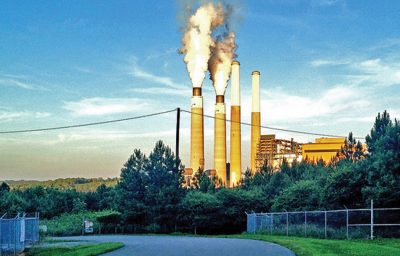
ANOTHER CHANCE TO STOP THE CLIFFSIDE PLANT EXPANSION: If you are concerned about global warming, air and water pollution, or mountaintop removal coal mining, we need your help to push Duke Energy's dirty coal plant "off the Cliffside". You can take action now: Request a new set of public hearings in your area about the dangers of mercury and air pollution from the proposed Cliffside coal-fired power plant near Charlotte, NC.

We have a right to know how many tons of hazardous air pollutants Duke Energy will pump into our air and water.


General Information


There is so much natural beauty in the Appalachian Mountains that it can be hard to believe they are blanketed in some of the unhealthiest air in the nation. Millions of visitors come to the mountains each year to enjoy the “clean mountain air,” only to find code red ozone alerts and views that are reduced often by 80% or more because of air pollution from upwind coal-fired power plants.

Appalachian Voices is committed to providing scientifically sound information about the problems associated with air pollution, the sources of that pollution, and the laws that govern the quality of our air.

Air pollution is more than the perpetual haze that blocks views from the Blue Ridge Parkway or the acid rain killing trees in the Great Smoky Mountains National Park, it’s a problem for the people of the Appalachian Mountains, their children, and the many businesses that rely on a healthy environment to attract visitors. Air pollution causes thousands of premature deaths from lung disease and tens of thousands of asthma attacks, primarily in children, across the Appalachians every year. Mercury from coal also causes learning disabilities, brain damage and a variety of neurological disorders in thousands of children born in southeastern states every year.


Appalachian Voices is working to make “clean mountain air” a reality by cleaning up the sources of pollution, particularly coal-fired power plants, and by educating the public about both the effects of pollutants and the many alternatives to coal as an energy source. As part of this effort, we are working to collect signed resolutions from towns and counties in North Carolina supporting clean air. We're also working to help communities decide whether or not they want coal power as their neighbor in the current national drive to build coal-fired power plants. This is especially important now that 150 new coal-fired power plants are planned nationwide, including 14 confirmed for the southeast. These new power plants are expected to greatly increase US emissions and cause an enormous demand for coal, almost certainly leading to increased mountaintop removal mining.

In 2002, Appalachian Voices was a leader in the coalition that passed the North Carolina Clean Smokestacks Act - a state law that is already cleaning up emissions from the state's coal-fired power plants faster than almost anywhere in the nation. We are now working to build support for similar laws in other Appalachian states, while also making sure utilities comply with the new North Carolina law.