

Red, White and Water Campaign Turns Up the Heat on Toxic Coal Ash
On Feb. 15, Appalachian Voices’ Red White and Water team, North Carolina Riverkeepers and other organizations launched a campaign called N.C. Can’t Wait, a petition and education drive to protect communities from toxic coal ash pollution.
The campaign was created after monitoring near coal ash ponds at North Carolina’s 14 coal-fired power plants confirmed that toxic heavy metals such as arsenic, boron, selenium and thallium are leaking into groundwater.

The petition targets the state’s Department of Environment and Natural Resources, who reported they were investigating the contamination but did not provide a timeline on enforcement, and the U.S. Environmental Protection Agency, who has postponed finalizing long-awaited rules that would provide federal guidelines to clean up coal ash lagoons nationwide.
The new coalition is coordinating upcoming events for the spring, including a series of Clean Water Events on March 22 in Charlotte, Asheville and Wilmington, scheduled to coincide with World Water Day.
In mid-January, Appalachian Voices joined with Earthjustice and other environmental groups across the country to file a notice of intent to sue the EPA to force the release of the delayed guidelines governing toxic coal ash. The notice was filed under the Resource Conservation and Recovery Act, which requires the agency to ensure that safeguards are regularly updated to address threats posed by wastes.
The EPA delayed the first-ever federal protections for coal ash for nearly two years despite documented evidence by its own researchers and environmental groups showing coal ash has poisoned aquifers and surface waters at 150 sites in 36 states.
More than 5.5 million tons of coal ash is created each year in North Carolina, the ninth highest total in the country. There are 26 active ponds in the state, 12 rated “high-hazard” by the EPA, meaning that if the ponds were to break, it would probably cause a loss of human life.
In Surry County, A Step in the Right Direction
Appalachian Voices’ campaign to stop a massive Old Dominion Electric Cooperative coal-fired power plant proposed for Surry County, Va. has been heating up.
In a positive development last fall, the Board of Supervisors in neighboring Isle of Wight County passed a resolution of opposition to the coal plant.
But in a recent municipal election, two of the three supervisors who voted for the resolution lost their seats, and a new Isle of Wight supervisor brought up a motion to declare the county’s stance on the coal plant as neutral.
Our Virginia team went into overdrive, working alongside local citizens to get the word out. Dozens of letters and phone calls from county residents asking the board to uphold the resolution were made in the week leading up to the most recent meeting.
Thanks to this overwhelming opposition to the coal plant in Isle of Wight County, the resolution of opposition was upheld during a meeting on Feb. 16. We will be working to organize other communities in the Hampton Roads region of Virginia to oppose the proposed plant in the coming months.
Related Articles
Latest News
More Stories
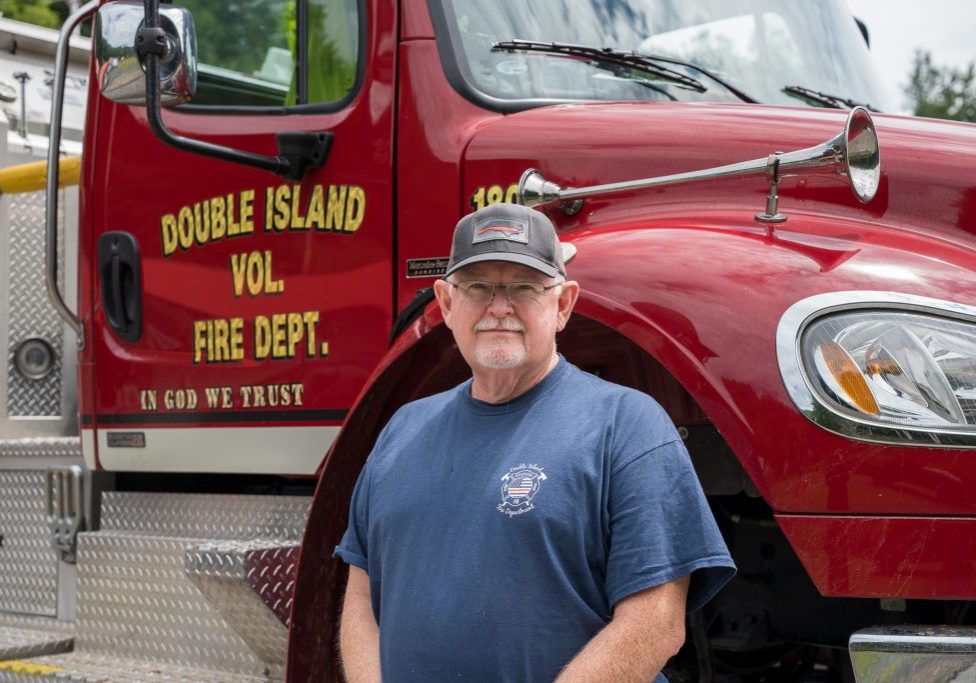
‘First Line of Defense’
During Hurricane Helene and its aftermath, rural fire departments and other first responder hubs played critical roles in keeping their communities safe, even without power and cut off from outside support for days or weeks after the storm. Two years later, plenty of work remains to ensure these hubs have the resources they need to operate day to day and be ready when emergencies or natural disasters strike.
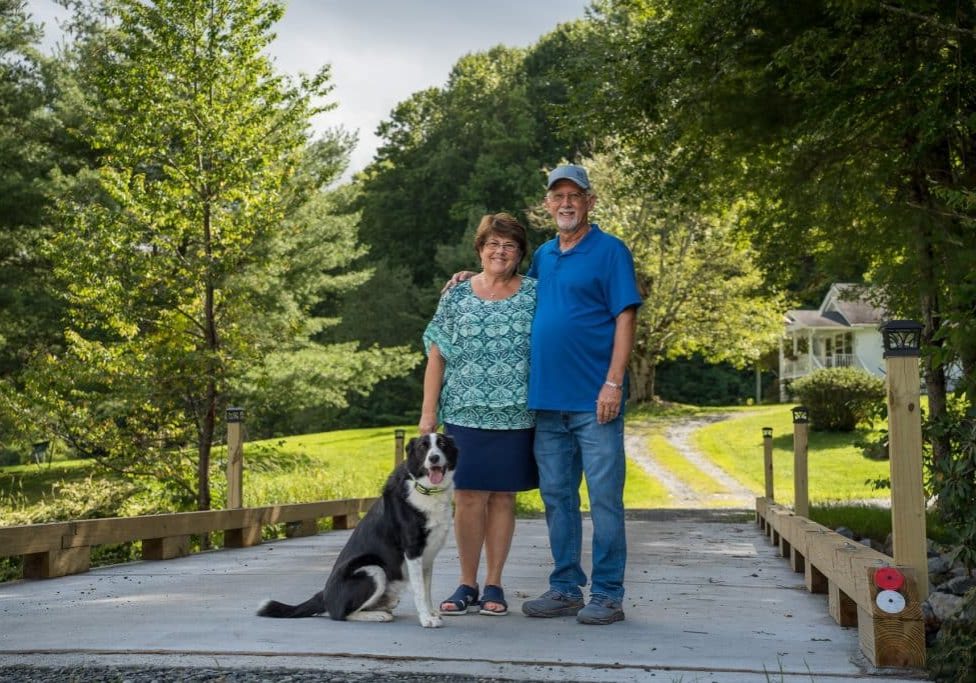
The Rocky Road — and Bridge — to Recovery
Hurricane Helene is estimated to have damaged nearly 7,000 private roads and bridges in Western North Carolina. Two years later, many restoration projects are complete, but the journey hasn’t been easy — and isn’t over for others.
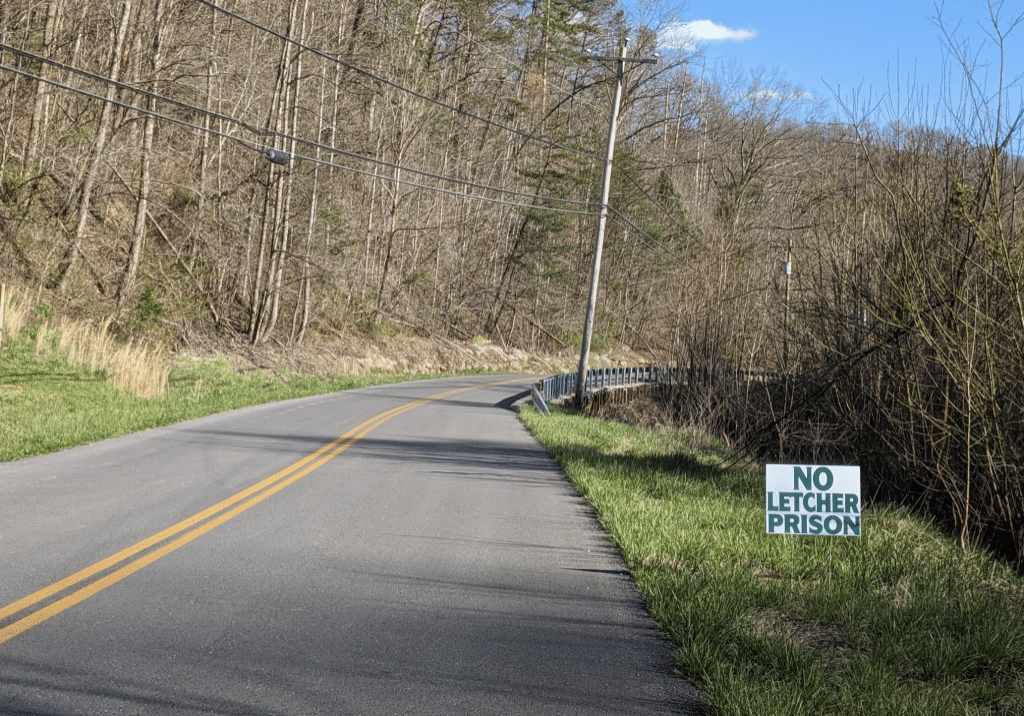
After 20 Years, Letcher County Prison Proposal Is Still Alive, Though Obstacles Remain
A $605 million proposal for a federal prison on a former strip mine site in Letcher County, Kentucky, championed by U.S. Rep. Hal Rogers, refuses to die, despite local opposition, a lack of support from the executive branch and numerous other obstacles.
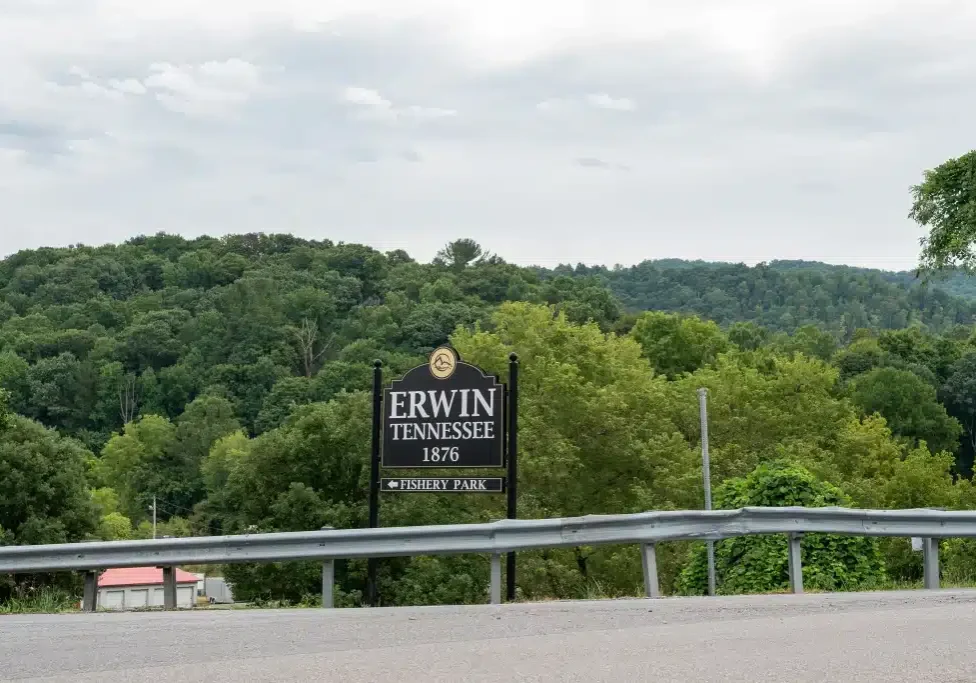
The Washout and Rebuild
For nearly two years, residents of Unicoi County, Tennessee, have had to make do without a hospital after Hurricane Helene destroyed the rural hospital. Ballad Health, which owns the hospital, broke ground on a new location — in another floodplain — in August 2026.

The Shenandoah Salamander
The Shenandoah salamander is a woodland salamander, which has adapted to life at higher elevations away from water. This sparkling rarity lives among the dry leaves, cracked logs, and stony hillocks on the highest peaks of Shenandoah National Park.
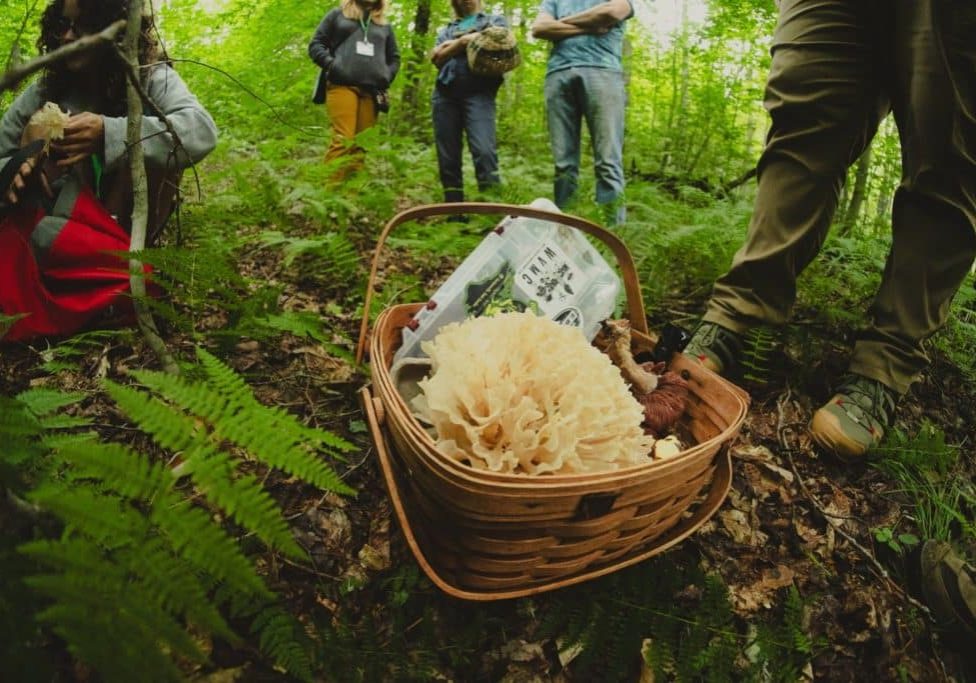
‘Foraging Is a Way of Connecting’
Foraging has experienced a modern resurgence, partly because of social media, online groups, the pandemic and people wanting to connect with nature. It also builds community, whether in person or online.

Leave a comment
Your email address will not be published. Required fields are marked *
Leave a Comment